How does a ceramics factory customize a cone-shaped ceramic mug
To customize a cone-shaped ceramic mug, a ceramics factory would typically follow these steps:
1. Design: The factory would create or receive a design for the cone-shaped mug. This design would include specifications such as the size, volume, angle of the cone, and any desired patterns or artwork.
2. Mold Making: Based on the design, the factory would fabricate a mold specifically tailored to the cone shape of the mug. The mold would consist of two or more pieces that fit together to form the desired shape.
3. Clay Preparation: The factory would prepare the ceramic clay by mixing it with water and other additives to achieve the desired consistency and workability.
4. Forming the Mug: The clay is then shaped into the cone-shaped mug by placing it into the mold. Careful attention is given to ensure that the clay is evenly distributed and that the required thickness is maintained throughout the shape.
5. Drying: Once the mug is formed, it needs to dry and harden. The factory would allow the mug to air dry for a specific period, allowing moisture to evaporate and the clay to become firm. This helps in preventing deformations during further processing.
6. Trimming and Finishing: After drying, the excess clay is trimmed and smoothed to refine the mug’s shape and create clean edges. Any surface imperfections are carefully addressed to ensure the desired quality.
7. Firing: The mug is then fired in a kiln, a high-temperature oven, to transform the clay into a solid ceramic material. The firing process involves carefully controlled heating and cooling cycles to ensure the mug reaches the desired strength and durability.
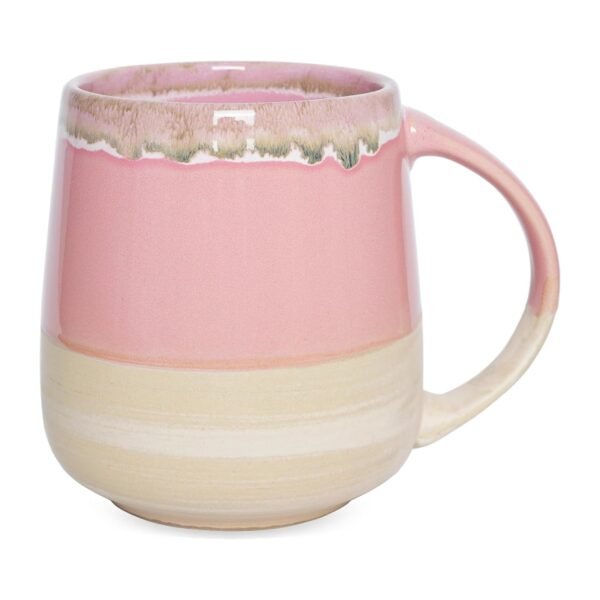
8. Glazing (optional): Depending on the design and customization requirements, the mug may undergo a glazing process. Glaze, a liquid mixture of minerals, is applied to the mug’s surface to add color, texture, and protection. The glaze is carefully selected to accommodate the cone shape and applied evenly.
9. Final Firing: The mug is fired again to fuse the glaze onto the ceramic surface, enhancing its appearance and providing a protective layer.
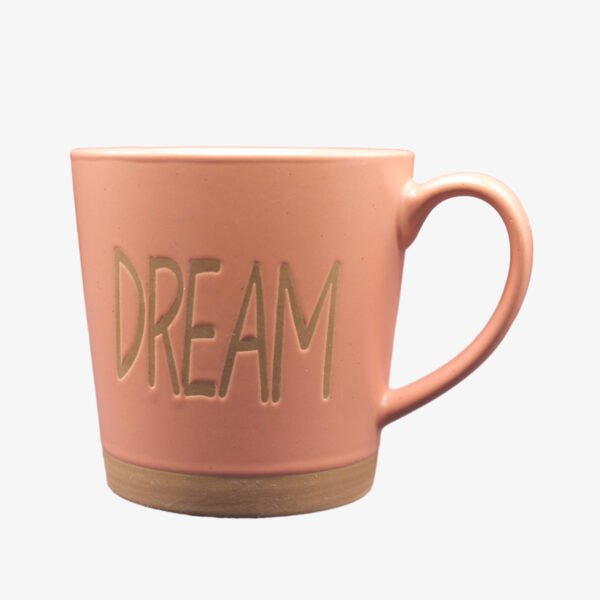
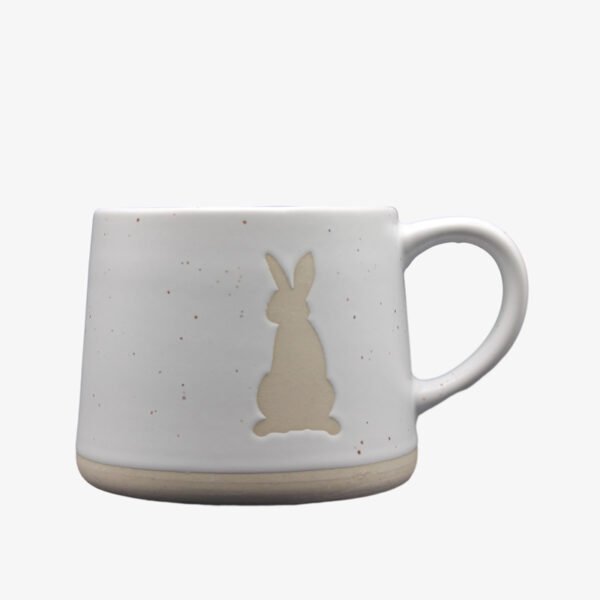
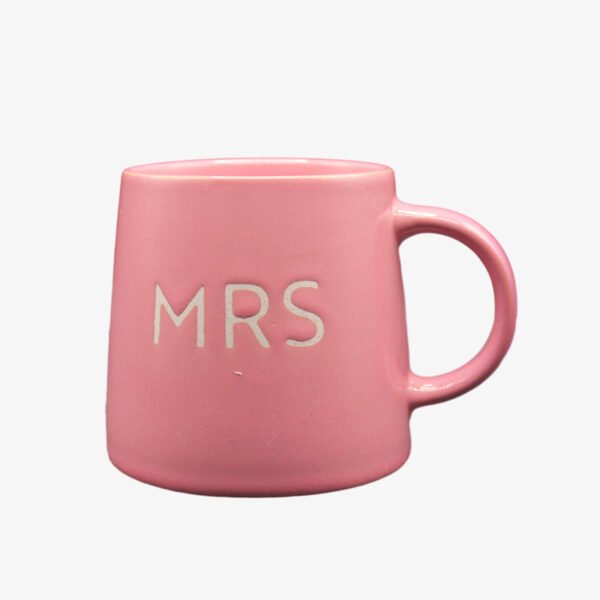
10. Quality Control and Customization: Throughout the process, the factory would perform quality checks to ensure the mug meets the desired specifications. Customization, such as adding personalized designs, logos, or text, can be achieved through techniques like decals, screen printing, or hand-painting.
11. Packaging: Once the customization is complete, the factory would package the cone-shaped ceramic mugs securely to prevent damage during transport, ensuring they are ready to be shipped to customers or retailers.
It’s important to note that the exact procedures and techniques might vary depending on the specific practices and equipment used by the ceramics factory.