Most defect lists are written after the first container has been argued over, when the cartons are sealed and the conversation has turned to goodwill. A fired ceramic body always carries variation, so the useful question is which variation you will accept. Writing ceramic mug defects AQL criteria after the run makes them a negotiation; writing them before it makes them a specification.
This guide is for importers and sourcing teams setting acceptance criteria before a run. By the end you should be able to classify a defect by consequence, set an AQL you can defend, and plan inspection at three stages.
Key takeaways
- Write acceptance criteria with the purchase order: defect classes, sample size, AQL and inspection points, agreed before the run.
- Classify by consequence: critical defects reject the lot, major ones are counted against an AQL, minor ones are tolerated.
- AQL 1.0 for majors and 2.5 for minors are common industry practice, and both accept a defined number of defects.
- Three gates catch what a final check misses: pre-production approval, in-process checks and final inspection.
- Every batch keeps traceability records and a photo QC report, so a disputed lot can be traced to its kiln and print run.
1. Acceptance is a specification, not an opinion
At a glance: a defect is a measurable deviation from the approved master sample, and the number you will accept belongs in the purchase order.
A fired ceramic body is never identical from piece to piece. Clay shrinks, glaze flows, kiln temperature varies across the load and a decal can sit a fraction of a millimetre off position. A supplier who promises zero defects is describing a sample, or planning to argue later. What a buyer controls is the definition: which deviations matter, how many are tolerated, and who decides.
That definition carries commercial weight. A loose catalogue lets a lot ship that you will spend the season explaining. An impossible catalogue rejects lots any kiln would produce, and the supplier prices the risk into the unit cost or declines the order. The Liling factory page shows the checks behind both sides.
2. Classify defects by consequence
At a glance: three classes do the work, and the class decides the remedy: critical defects reject the lot, major defects are counted against an AQL, minor defects are accepted within tolerance.
A critical defect is unsafe or illegal: a crack through the wall, a handle that detaches under load, a sharp rim, decoration failing the food-contact test for the destination market. A major defect stops the mug being sold as specified: a rim or handle chip, missing print, capacity outside tolerance, a lid that does not seal. A minor defect is cosmetic and inside tolerance: a pinhole, a dimple, a faint kiln mark, colour drift within the approved band.
| Class | Ceramic examples | Typical consequence |
|---|---|---|
| Critical | Crack through the wall, handle that detaches, sharp rim, decoration failing the food-contact test | Rejects the lot; safety and legal exposure |
| Major | Rim or handle chip, missing or misregistered print, capacity outside tolerance, lid that does not seal | Counted against an AQL; affects function and sale |
| Minor | Pinhole, glaze dimple, faint kiln mark, colour drift inside the approved tolerance | Accepted within a limit; appearance only |
| Accepted variation | Glaze flow marks, small dimensional differences, slight handle angle changes | Written into the catalogue as not a defect |
Write the classes in the buyer’s language. The same pinhole is a rejection reason on a premium gift set and invisible on a promotional mug, and a strict food-contact market may treat a decoration fault as critical rather than cosmetic.
3. AQL is a sampling plan, and it accepts defects
At a glance: an AQL is the defect level a sampling plan is designed to accept, not a promise that every mug meets it.
AQL stands for acceptance quality limit. You fix the lot size, the plan gives a sample size, and the inspector counts defects in the sample by class. If the count is at or below the acceptance number, the lot is accepted; above it, the lot is rejected. Unless you pay for full sorting, nothing is checked piece by piece.
Two honest consequences follow. An accepted lot can still contain defective mugs, and a rejected lot can contain mostly good ones. Tightening the AQL does not remove the risk; it moves it, raising the chance of rejecting a workable lot and usually the price. AQL 1.0 for majors and 2.5 for minors are common industry practice, with criticals at zero tolerance.
| Defect class | Common industry level | What acceptance means | What it still allows |
|---|---|---|---|
| Critical | Zero tolerance | Any critical defect in the sample rejects the lot | A defect outside the sample can still reach a customer |
| Major | AQL 1.0 | The sample count must fall within the acceptance number | A small number of defective units inside the lot |
| Minor | AQL 2.5 | Cosmetic deviations inside the agreed tolerance pass | Visible variation a strict customer may return |
| Tightened | AQL 1.0 on minors instead of 2.5 | A smaller defect count is tolerated before rejection | More lots rejected, and usually a higher unit price |
Samples must be drawn at random from the finished lot, not from the top layer of one carton.
4. Write the catalogue so two people see the same mug
At a glance: an inspection result is repeatable only if the conditions are written down: light, distance, the signed master sample and the measurement method.
Photograph each defect class on a real mug, under a stated light and at a stated viewing distance, and attach the images to the order. Say whether a check is visual or measured: print position against the dieline, capacity in millilitres, handle strength, colour difference against the approved sample. A colour difference of about 1–2 ΔE is invisible to the eye.
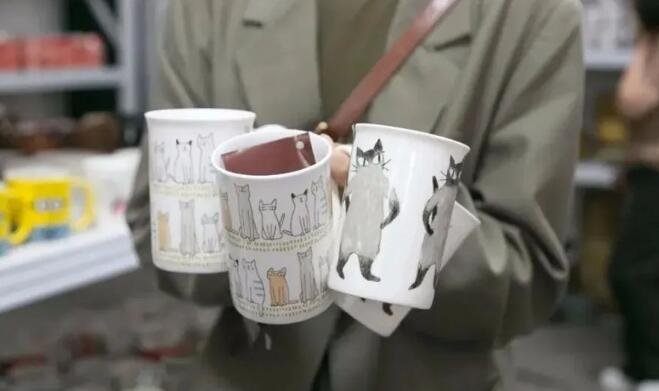
Keep the master sample in two places, one with the factory and one with you, both signed and dated. If the only approved sample lives on the factory shelf, a dispute has no reference. The ceramic mug range shows the variation the body carries before decoration.
5. Inspect at three points, not one
At a glance: final inspection catches what has already gone wrong; pre-production and in-process checks stop it being made.
| Stage | What is checked | Who signs off | What it catches |
|---|---|---|---|
| Pre-production | Artwork and technical assessment, material verification, master sample | Buyer and factory QC | Wrong body, capacity, colour or print position |
| In-production | Forming, glazing, printing and firing; colour difference, print position, kiln records | Factory QC, per batch | Drift that would repeat across the lot |
| Final, pre-shipment | Dimensions, appearance, handle strength, drop test, packaging, photo QC report | Factory QC, with buyer review | The lot as packed, before it leaves the factory |
| Third-party option | The same checks against the agreed specification | Independent inspector | Whether the factory’s own result can be relied on |

The middle stage is where ceramic problems are cheapest to fix: colour drift, print registration and glaze faults appear at the printing and firing stations long before packing.
6. What happens when a lot fails
At a glance: a failed lot has four routes: sort and re-inspect, rework, accept with a credit, or replace, and the purchase order should say who chooses.
Full sorting is the usual remedy for a major-defect failure: every piece is checked, the defective ones removed and the rest re-inspected. It consumes labour and time, so the cost sits with whoever’s specification failed. If a print or glaze error runs through the batch, sorting recovers little and a re-run is the honest answer.
Write the mechanism into the order: the remedy, the deadline for a decision, who pays for sorting and what evidence closes the file. A photo QC report of the failed units and the re-inspected lot does more than an apology. A print that fades after repeated washing may be a care-claim failure; the mug care guide keeps the two aligned.
7. Who inspects, and what the report must show
At a glance: factory QC, a third-party inspector and your own agent answer different questions, and the report should name which one produced it.
A factory inspection is quick and cheap and depends on the team that made the goods. A third-party inspection from a body such as SGS, Bureau Veritas or Intertek adds independence and a fee, and is booked against a signed specification, so the specification has to exist first. The report should state the order, lot size, sample size, the AQL applied, defect counts by class, photographs and the inspector’s name and date.
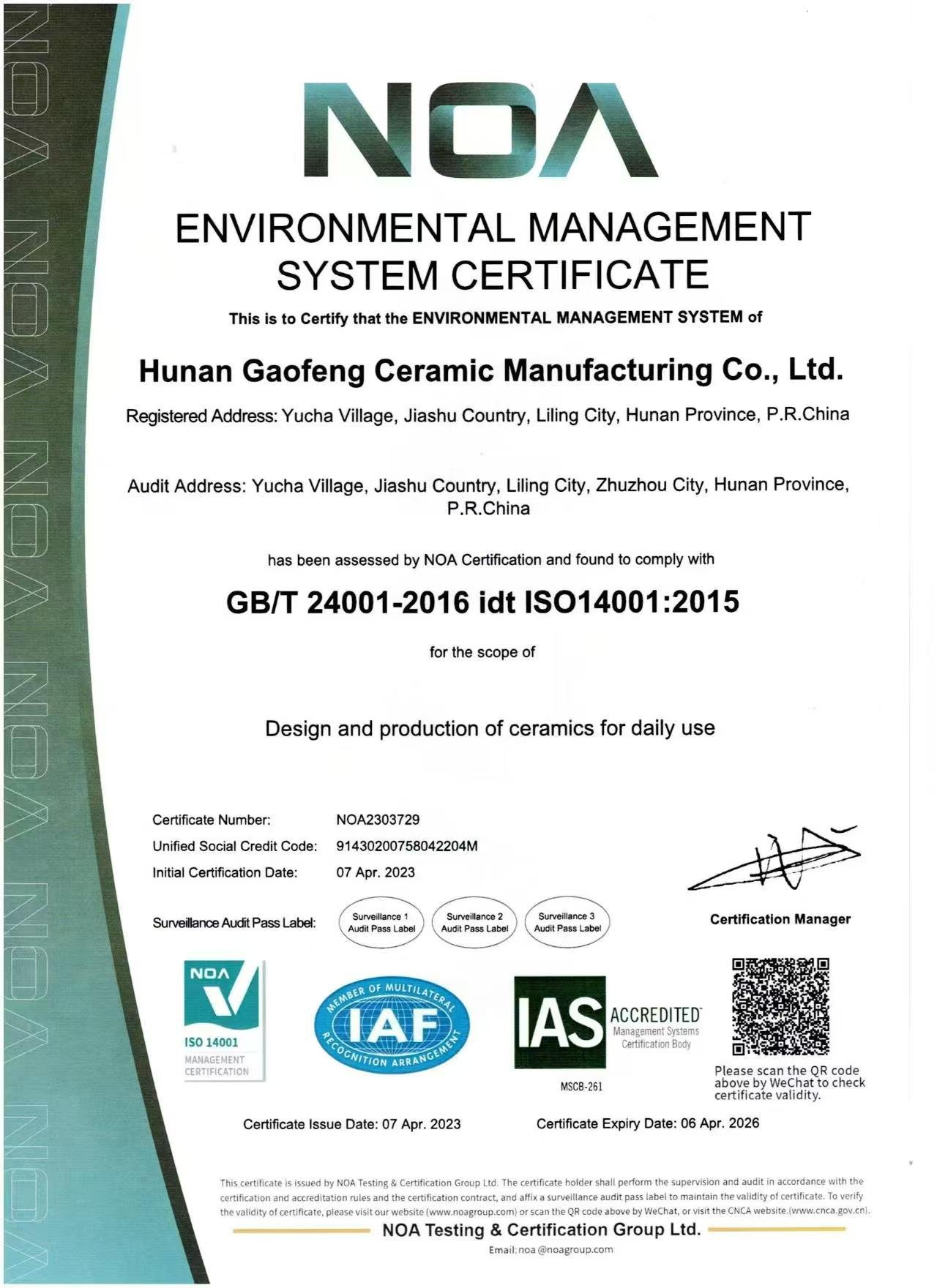
Social and quality documents sit beside the report, and buyers often need both. An amfori BSCI audit describes how a site is managed; an inspection report describes one lot. Audit documents are available on request, including the BSCI download, and our help and FAQ covers onboarding questions.
This article is general information, not legal advice. Confirm the applicable standard with your compliance team or lab.
8. How MugFactory de-risks acceptance
MugFactory is a vertical full-stack custom mug company, producing ceramic, bone china and stoneware mugs on our exclusive Liling lines with design, packaging, QA and export documents handled in-house. Since 1994 the Liling factory has produced mugs for export markets, and the network of six production bases, ten branch factories and twenty kilns is where the three inspection gates run.
- Pre-production: artwork and technical assessment, material verification and a master sample approved before the run is scheduled.
- In-production: checks at forming, glazing, printing and firing, with colour difference, print position and kiln records per batch.
- Final: dimensions, appearance, handle strength, drop test, food-contact reports, packaging and a photo QC report.
- Batch traceability records per lot, so a disputed carton can be traced to its materials, kiln and print run.
- FDA and LFGB test reports plus BSCI, Sedex, FSC, Higg FEM and ISO 22000 documents on request, with 24-hour response across 40+ countries.
Our team will review a draft defect catalogue before it becomes a purchase order. Send it with the target quantity through the quote request, and the compliance and food contact column covers the documents beside it.
Collect the documents before you commit
Send your draft defect catalogue and the destination market. We will return our comments on the specification, the test reports we can share and a production calendar with the inspection points marked.
FAQ
What defects are acceptable on ceramic mugs?
Acceptable means within the catalogue agreed before production. Minor pinholes, dimples, slight colour drift inside tolerance and kiln marks on the base usually pass. Chips, cracks, handle failures, missing print and any food-contact failure do not. Write the class definitions down rather than relying on a supplier default.
What is AQL and how does it work?
AQL is the acceptance quality limit used in sampling inspection. You fix the lot size and defect class, the plan gives a sample size, and the inspector counts defects in that sample. If the count is within the acceptance number, the lot passes. Being a sampling decision, an accepted lot can still contain defective mugs.
Who inspects the goods?
Either the factory QC team, an independent company such as SGS, Bureau Veritas or Intertek, or your own agent. Factory inspection is faster and cheaper; third-party inspection adds independence and a fee. Whoever inspects, the report should name the inspector, the date, the lot and the sample size.
What happens if defects exceed the AQL?
The lot is rejected. Typical routes are full sorting with re-inspection, rework, replacement, or acceptance with a credit, and the order should say who chooses and who pays. Ask for photographs of the failed units and the re-inspected lot, so the file closes with evidence.
Do you provide a photo QC report?
Yes. Final inspection ends with a photo QC report covering the batch, the packaging and the checks performed, and batch traceability records are kept for each lot. The report supports your acceptance decision; it does not replace a third-party inspection if your buyer requires one.
Sources

MugFactory’s sourcing and production team helps brands, retailers and distributors plan custom ceramic mug programs from 500-piece pilots to annual production. Based in Liling, close to the lines, the team covers design, packaging, QA, export documents and after-sales.