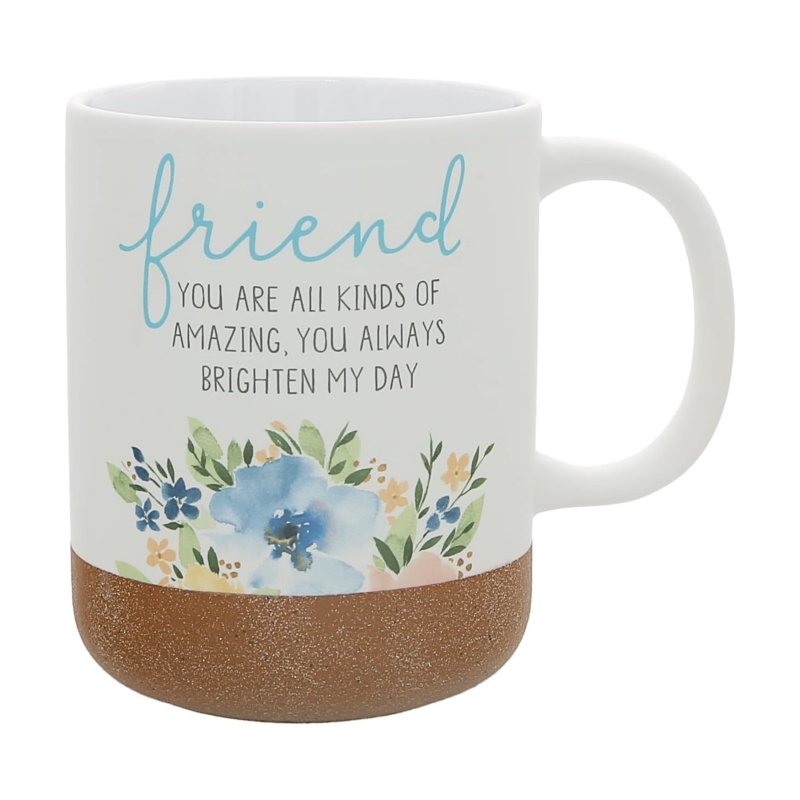

Most bone china vs porcelain comparisons rank the two bodies by prestige and stop there. Prestige is the least decision-relevant fact about either material: both are sold as premium, both photograph well, and both arrive under the same kind of gift box lid. What separates them in a returns report is failure. Bone china chips at the rim and cracks under point load; porcelain resists that, then has to survive being stacked in a cupboard.
This guide is for premium gifting and wedding buyers: brand owners, retail buyers, distributors and the agencies briefing them. It defines both bodies, compares weight, whiteness, translucency and chip resistance, sets out the packaging each needs, and matches each body to the occasions where it earns its cost. Prices are confirmed in your quote.
Key takeaways
- Different failures: bone china is lighter and warmer; porcelain is denser, whiter and in most cases more chip resistant.
- Bone china is a porcelain-family body with bone ash fired lower, so the two names are not interchangeable in a specification.
- Porcelain typically fires around 1300–1400°C, giving a dense white body that can be thin without losing stiffness.
- Packaging decides transit breakage: a fitted insert and a drop-tested carton protect either body; a rigid box alone does not.
- 500 pieces per design is the standard minimum; published tiers from $2.50 cover standard 11 oz ceramic mugs, so both bodies are quoted separately.
1. Two bodies, two definitions
At a glance: bone china is a vitrified body with bone ash added and fired lower than porcelain, while porcelain is a kaolin-based body fired higher. Both are premium ceramics.
Bone china starts as a porcelain-type mixture with bone ash, which lowers the firing temperature and changes the fired body: lighter, warmer in tone and translucent at a thin wall. Porcelain uses kaolin, feldspar and quartz, fires higher, and produces a dense, cool white body that can be thin and still stiff. Neither name is protected by one global recipe, so the specification is what you approve. Our bone china mugs and porcelain mugs are quoted by body, weight and fired finish.
| Property | Bone china | Porcelain | What it means for a gift range |
|---|---|---|---|
| Weight | Lighter for the same capacity | Denser and heavier | Parcel cost and hand feel |
| Whiteness | Warm ivory | Cool, bright white | Matching an existing service |
| Translucency | Visible at a thin wall | Translucent only when thin | How value is perceived |
| Chip resistance | Rim chips more readily in most cases | Harder body in typical use | Returns and replacements |
| Cost position | Quoted from its own specification | Quoted from its own specification | Published tiers cover standard ceramic |
2. What bone china vs porcelain feels like in the hand
At a glance: weight per piece is the first thing a recipient notices, and the two bodies send opposite signals: bone china feels light and refined, porcelain feels solid and steady.
Compare weight per piece with capacity. Bone china’s lower body weight lets a large-capacity mug feel delicate, which suits recipients who find a heavy mug tiring; porcelain’s mass keeps the mug stable on a saucer and, with a thicker wall, holds heat longer. A hotel buyer wants a body that survives a trolley; a wedding buyer wants one that looks light beside linen. The heavier stoneware body sits below both in perceived refinement and above them in weight.

3. How each body fails
At a glance: bone china fails at a thin rim and at the handle join, while porcelain fails in stacking and under point load, where a dense body cracks rather than chips.
Breakage usually starts before transit. A rim that is too thin for the decoration, a handle joined with too little contact area or a wall that varies around the circumference will fail in the customer’s hand, and a dishwasher cycle will find a glaze that was never tested for it. In most cases the fault is a specification that was never written down.
- Check rim thickness and the handle join on every sample, by hand and under light.
- Confirm gold rim adhesion and write a care label that rules out the microwave.
- Run dishwasher cycles when the claim is made, with the exact decoration on the test piece.
- Drop-test the packed carton and stack-test the mug, because stock is stored in columns.
4. Whiteness, translucency and decoration
At a glance: whiteness and translucency are body properties checked at the factory, while the decoration on top decides the care label and often the perceived value.
Bone china reads warmer and more translucent; porcelain reads cooler and whiter, which matters when the gift has to sit beside an existing dinner service. A decal fired into the glaze at roughly 750–850°C handles fine artwork and full colour, a relief adds tactility through the mould, and a gold rim signals gifting but rules out the microwave and usually the dishwasher. Whiteness is checked against a physical standard, not a screen. More on print and finish choices sits in our materials, printing and finishes articles.
5. Premium gifting use cases
At a glance: bone china suits gifts that are opened, photographed and kept, while porcelain suits gifts that are used daily and have to survive the sink.
A wedding favour or registry piece is handled once, photographed and stored, so lightness and translucency earn their cost, and wedding mugs are usually specified in bone china. A corporate board gift is judged on weight and box more than translucency, and porcelain often reads as more substantial. A hotel or café account is a different brief: the body must survive a commercial dishwasher and a trolley, which points to porcelain or stoneware.
| Use case | Better body | Why it lands | Watch-out |
|---|---|---|---|
| Wedding favour | Bone china | Light, warm and translucent in photographs | A thin rim needs a fitted insert |
| Registry gift set | Bone china or porcelain | Matches an existing dinner service | Confirm the white before production |
| Corporate board gift | Porcelain | Weight and box carry the message | A gold rim rules out the microwave |
| Hotel and restaurant | Porcelain | Survives daily washing and stacking | Check the chip rate in the sample |
6. Packaging: where bone china vs porcelain stops mattering
At a glance: packaging, not the body, decides most transit breakage, because a fitted insert and a drop-tested carton protect bone china and porcelain alike.
Bone china needs a fitment that supports the rim and stops the handle touching the next piece; porcelain tolerates a simpler insert but not a loose one. A rigid gift box with no inner support can be worse than a moulded pulp tray in a plain carton, because the box adds cube without absorbing impact. Ask for packed carton dimensions with the quote. A mug gift set should be drop-tested as a packed unit.
| Layer | What it protects | Bone china note | Porcelain note |
|---|---|---|---|
| Inner fitment | Rim and handle | Must support the rim | Must still stop movement |
| Retail or gift box | Presentation | Adds cube; needs a supported base | Adds cube; check stack strength |
| Shipper carton | Transit and pallet stacking | Board grade for the packed weight | Test the drop, not the board alone |
| Breakage allowance | Replacement cost | Often higher unless the insert is tested | Lower when the insert is right |
Send the body, capacity and packaging brief through the quote form, and ask for a packed sample so the insert is tested with the mug it protects.
7. How MugFactory de-risks a bone china or porcelain program
Six production bases, ten branch factories and twenty kilns stand behind MugFactory’s exclusive Liling lines, which have made ceramic, bone china and stoneware for export since 1994. The company is a vertical full-stack custom mug maker that works only in ceramic, bone china and stoneware, and design, packaging, QA, export documents and after-sales all sit in house.
- No production slot is booked until a master sample is signed off in writing, covering body weight, rim thickness, glaze and print position.
- Forming, glazing, printing and firing are checked as the run proceeds, with ΔE readings, print position and kiln records filed by batch.
- FDA and LFGB food-contact test results are available on request, alongside drop-test data from the packed carton.
- A photographic QC report is sent before dispatch, with batch traceability records so a reorder can be held to the approved sample.
- The same lines handle a 500-piece pilot and an annual program, including the wedding and corporate gift seasons.
Test the body and the finish first
Send the occasion, capacity and delivery date. We will send both bodies as samples with their packaging, so your team can compare weight, rim and colour side by side.
FAQ
Which is more premium, bone china or porcelain?
Neither is inherently more premium; the market treats bone china as the more luxurious choice because it is lighter, warmer in tone and translucent at a thin wall. Porcelain is often chosen for daily use because it is denser and usually more chip resistant.
Is bone china too fragile to ship?
Not when it is packed for the journey. Bone china is lighter and softer at the rim, so it needs a fitment that supports the rim and a carton drop-tested as a unit. Loose inserts cause most breakage, not the material.
How much more does bone china cost?
We do not publish a bone china price list, because body, decoration and packaging are quoted together. Published tiers from $2.50 at 500 pieces cover standard 11 oz ceramic mugs, so treat those as a planning floor, not a bone china price.
Is bone china dishwasher safe?
Usually, when the glaze and decoration are specified for it, but the claim belongs to the finished piece, not the body name. Gold rims and some metallic decoration should be hand washed, so ask for the care statement against your approved sample.
Which is better for wedding gifts?
Bone china is the more common wedding choice because it looks light and translucent and photographs well beside linen. Porcelain is better if the couple will use the mugs daily. Many programs offer both bodies in one collection.
Sources

MugFactory’s sourcing and production team helps brands, retailers and distributors plan custom ceramic mug programs from 500-piece pilots to annual production. Based in Liling, close to the lines, the team covers design, packaging, QA, export documents and after-sales.