
Most comparisons of a stainless steel tumbler vs ceramic mug begin with heat retention, as if hours of warmth settled the decision. It rarely does. The split that matters is commute versus table service: one format is built to be carried and sealed, the other to be set down and drunk from. Get that wrong and neither insulation nor glaze will rescue the program.
This guide is for buyers choosing between insulated tumblers and ceramic mugs for a retail, corporate or café program. By the end you should be able to match the format to the use case, compare decoration and care constraints, and see what each route does to MOQ and lead time. MugFactory makes ceramic, bone china and stoneware mugs; we do not make stainless steel tumblers, so we will be explicit about the trade-off and where a ceramic body wins.
Key takeaways
- Insulation is not the deciding factor: a vacuum tumbler holds heat far longer, but a mug is drunk at a table within minutes.
- Commute versus table service is the split: a sealed 20 oz / 590 ml tumbler is carried, an 11 oz / 330 ml mug is refilled in place.
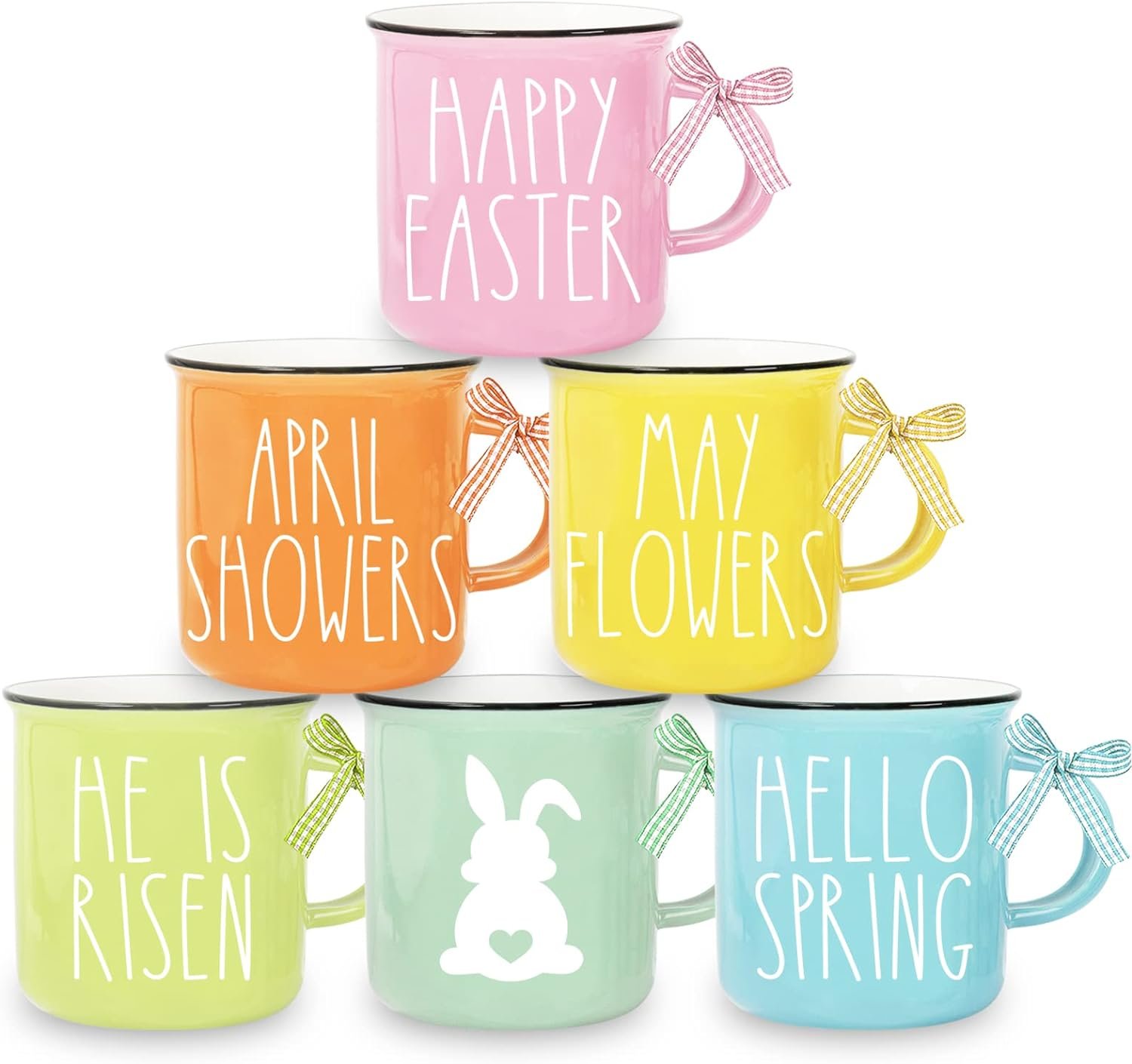
- Ceramic carries the stronger print: a fired decal holds full colour, up to full-wrap 8-colour, while metal is coated or engraved.
- We do not make steel. MugFactory produces ceramic, bone china and stoneware mugs on our Liling lines; the network runs six production bases.
- Ceramic MOQ is 500 pcs per design, with samples in 7–10 days and production in 30–45 days after approval.
1. Start with where the drink is drunk
At a glance: a tumbler is designed to leave the building; a mug is designed to be refilled in place, and that difference drives the lid, the weight, the decoration and the care claim.
A commuter buys a vessel that survives a bag and a cup holder. A café serves a drink finished at the table, refilled, washed and reused. The same coffee can justify either, but not the same specification: a lid and a vacuum wall add cost that table service does not need, while a handle and an open rim are liabilities on a train. The materials, printing and finishes category covers both routes.
2. How each body handles heat
At a glance: vacuum insulation slows heat loss far more than a single ceramic wall, but coffee is usually drunk before the difference justifies the format.
A double-wall stainless tumbler holds a vacuum between two walls, so heat has no easy path out. A ceramic mug loses heat through the body and rim, which is why preheating is standard practice. Where the drink is carried for an hour, insulation wins. Where it is served and drunk, a preheated mug holds temperature long enough, and a commuter mug with a lid covers the journey between the two.
| Criterion | Stainless steel tumbler | Ceramic mug | What it changes |
|---|---|---|---|
| Heat retention | Vacuum wall holds heat for hours | Loses heat through body and rim | How long it stays drinkable |
| Flavour | Steel is inert; the lid traps aroma | Glaze is inert; open rim releases aroma | The tasting experience |
| Weight | Lighter for the same capacity | Heavier, steadier on a table | Carrying versus setting down |
| Durability | Dents; coating can chip | Chips and cracks; handle can fail | Replacement pattern |
| Decoration | Powder coat, laser, coated sublimation | Fired decal, screen print, relief, gold | Print life and colour range |
| Microwave | Never | Yes, unless decoration is metallic | Where it can be used |
3. Flavour, aroma and the drinking experience
At a glance: a glazed ceramic interior is inert and holds no flavours, while a steel tumbler changes how coffee smells and tastes mainly through its lid and narrow opening.
Coffee is judged by aroma before it is tasted, and an open ceramic rim releases aroma as the cup is raised. A sealed tumbler traps it until the lid is opened. Food-grade steel should not taint the coffee; the change is in the aroma and the sip, which is why a ceramic mug still wins a blind table test.
4. Decoration and branding options
At a glance: ceramic takes fired decals, screen print, relief and gold rims; metal takes powder coat, laser engraving and coated sublimation, and each wears differently.
A fired decal on ceramic carries full colour into the glaze, so a photograph or a six-colour logo survives commercial washing. Laser engraving on a powder-coated tumbler removes the coating to expose the metal, which is permanent but single-colour. Sublimation on metal needs a coated surface. Our customisation team assesses artwork the same way: colour count first, care claim second.
| Method | Works on steel | Works on ceramic | Durability |
|---|---|---|---|
| Fired decal | No | Yes | Fired into the glaze |
| Screen print | Low-temperature inks | Yes | Good with correct firing |
| Sublimation | Coated surface | Coated body | Coating-dependent |
| Laser engraving | Exposes the metal | Marks the surface | Permanent, single colour |
| Powder coat | Base colour | No | Chips at edges |
| Gold rim or relief | No | Needs an extra step or mould | Gold hand wash; relief durable |

5. Care, dishwasher and microwave rules
At a glance: metal never goes in a microwave, and a ceramic mug only does if its decoration is metallic-free; the care label must match the decoration, not just the body.
A stainless tumbler is usually hand wash or top-rack, and the lid gasket needs its own instruction. A ceramic mug with a fired decal is dishwasher safe, a gold rim is hand wash and never microwave, and a plain glaze takes both. The care claim belongs on the packaging, because a customer who ruins a print blames the brand, not the wash cycle.
6. Match the format to the use case
At a glance: commute, desk, café table and gift box each point to a different format, and the wrong one shows up as returns rather than complaints.
Write the use case down before the product code. A driver who needs a sealed mug with a lid is not served by a wide café cup.
| Use case | Format | Why | Watch-out |
|---|---|---|---|
| Commute and travel | Insulated tumbler, sealed lid | Retains heat, survives a bag | Not microwave safe |
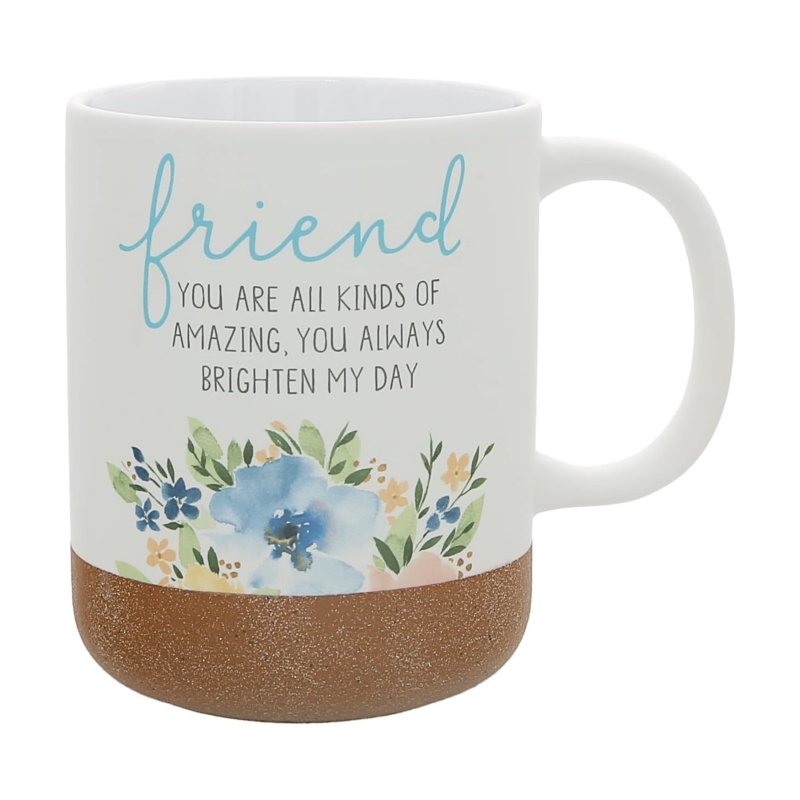
| Desk and office | Ceramic mug, 11 oz / 330 ml | Stable, open rim, printable | Chips at the rim |
| Café table service | Ceramic or stoneware mug | Handle, heat mass, stackable | Breakage at the pass |
| Retail gift set | Ceramic mug in a gift box | Print and presentation carry value | Carton cube and freight |
7. MOQ, tooling and lead time in each category
At a glance: steel programs are quoted by metal fabricators around their tooling and coating runs; our ceramic MOQ is 500 pcs per design with 7–10 day samples.
The stainless steel tumbler vs ceramic decision becomes an MOQ question at this stage. A steel program carries tooling for a custom body or lid, and those numbers come from the metal supplier; we do not quote them, because we do not make steel. On the ceramic side, standard bodies start at 500 pcs per design, mixed designs share one run, and sample orders can sit below the MOQ. A sample takes 7–10 days after artwork approval, credited against the order; production runs 30–45 days. Indicative pricing for an 11 oz / 330 ml mug is $2.50 at 500 pcs, $2.20 at 3,000 pcs and $2.00 at 10,000 pcs, FOB Liling. Send the brief through our request a quote form.
8. How MugFactory de-risks the ceramic side of the decision
Export mugs have come out of our Liling factory since 1994, and the operation behind it now spans six production bases, ten branch factories and twenty kilns. MugFactory is a vertical full-stack custom mug company: ceramic, bone china and stoneware come off our exclusive Liling lines, while stainless steel and glass fall outside what we make. Design, packaging, QA and export paperwork are handled under one roof by an in-house team.
- A complete brief returns a free digital mockup within one hour, so print placement is settled before a sample is made.
- Physical samples follow in 7–10 days once artwork is approved, and the sample fee is credited against the order.
- Artwork and materials are assessed before production, then a master sample is signed off before the schedule is booked.
- Each batch is checked at forming, glazing, printing and firing, and its colour difference, print position and kiln records are retained.
- Before shipment, final inspection covers a drop test, food-contact testing to FDA and LFGB requirements, packaging and a photo QC report.
If the drink is served in house, the glass mugs for cafés comparison covers the other presentation-led route.
Test the body and the finish first
Send the use case, the capacity you need and the artwork you plan to print. We will confirm whether a ceramic body fits, return a mockup and quote indicative tier pricing before you commit to tooling.
FAQ
Which keeps coffee hot longer?
A double-wall vacuum tumbler, by a wide margin, because the vacuum removes the conduction path. A ceramic mug loses heat through the body and the open rim, so preheat it and drink within twenty minutes. For a commute, steel wins. For table service, a preheated mug is warm enough.
Does metal change the taste?
Food-grade stainless steel is inert, so the metal itself should not taint coffee. The bigger change is the lid: a sealed tumbler traps aroma until it is opened, and coffee drunk through a small opening tastes different from coffee from an open rim. A glazed ceramic interior is also inert.
Can stainless steel tumblers be engraved?
Yes. Laser engraving removes the powder coating to expose the metal, which gives a permanent single-colour mark. It suits a logo or a name, but it cannot reproduce a full-colour design. On ceramic, a fired decal carries full colour into the glaze, and laser engraving is a separate option.
Which is better for promotional programs?
It depends on the drop. A tumbler reads as a higher-value gift and suits commuter audiences; a ceramic mug carries a full-colour print and usually costs less per unit at 500 pieces. Check decoration cost and freight before choosing, because a coated tumbler print may not survive daily washing.
Does MugFactory produce stainless steel tumblers?
No. MugFactory produces ceramic, bone china and stoneware mugs on our exclusive Liling lines; stainless steel and glass are outside our production. If a steel tumbler is right for your program we will say so, and if a ceramic body with a lid can do the job we will quote that.
Sources
Primary references for the food-contact and handling points above:
- FDA — CPG Sec. 545.450 Pottery (Ceramics): Lead Contamination
- LFGB — German Food, Feed and Consumer Protection Code
- European Union — Regulation (EC) No 1935/2004 on food contact materials
- ISO — ISO 22000:2018 Food safety management systems
- SGS — Testing, inspection and certification
- Intertek — Testing and certification

MugFactory’s sourcing and production team helps brands, retailers and distributors plan custom ceramic mug programs from 500-piece pilots to annual production. Based in Liling, close to the lines, the team covers design, packaging, QA, export documents and after-sales.