
Ask three suppliers for the custom mug mold cost and you will get three numbers that cannot be compared. One quotes tooling alone, one folds it into the piece price, one quotes a shape that already exists and calls it new. The comparison everyone wants, a single figure for a custom shape, hides the two things that decide the project: how many units the tooling has to be spread over, and how many weeks it adds before the first shipment leaves Liling.
This guide is for brand owners, retail buyers and sourcing teams choosing between an existing body and a new shape. It covers what an open mould involves, how it compares on cost, timeline, MOQ and exclusivity, and where a new shape stops paying. Tooling is quoted per shape rather than from a list, so treat the arithmetic here as something to repeat with your own quote.
Key takeaways
- Compare the custom mug mold cost per unit sold, not per invoice: the same tooling is 200% of the unit price at 500 pieces and 10% at 10,000.
- An existing body adds no tooling, samples in 7–10 days after artwork approval and looks like every other program using it.
- A new shape buys exclusivity and a different wrap area, not a lower unit price, and it moves the calendar.
- Tooling is quoted per shape: pattern work, trial pieces and first-article approval sit inside that quote.
- 500 pieces per design is the standard MOQ; a custom shape usually needs more, confirmed in the quote.
1. The tooling invoice is the wrong number to compare
At a glance: compare tooling per unit sold and the weeks it adds, because the invoice total says nothing about either.
A tooling quote is a lump sum, and a lump sum is hard to judge. What matters is its size relative to the value it sits on: the same figure is a serious surcharge on a 500-piece pilot and a minor line on a 10,000-piece program. An open mould also pushes sampling, first-article approval and production later, and that delay comes out of the same fixed on-shelf date. Read the published tier prices first, then compare tooling against the tier you expect to order.
2. What opening a new shape actually involves
At a glance: a new shape is a tooling project before it is a production order, and it ends with a first article you approve or reject.
Opening a body is not a drawing exercise. The shape is modelled, tooling is made, trial pieces are formed and fired, and the first decorated article is measured against the drawing, the Pantone reference and the care requirements. Each step typically produces a decision that can send the shape back, so a quote should state what it covers: pattern or model work, trial pieces, first-article decoration and the revisions included.
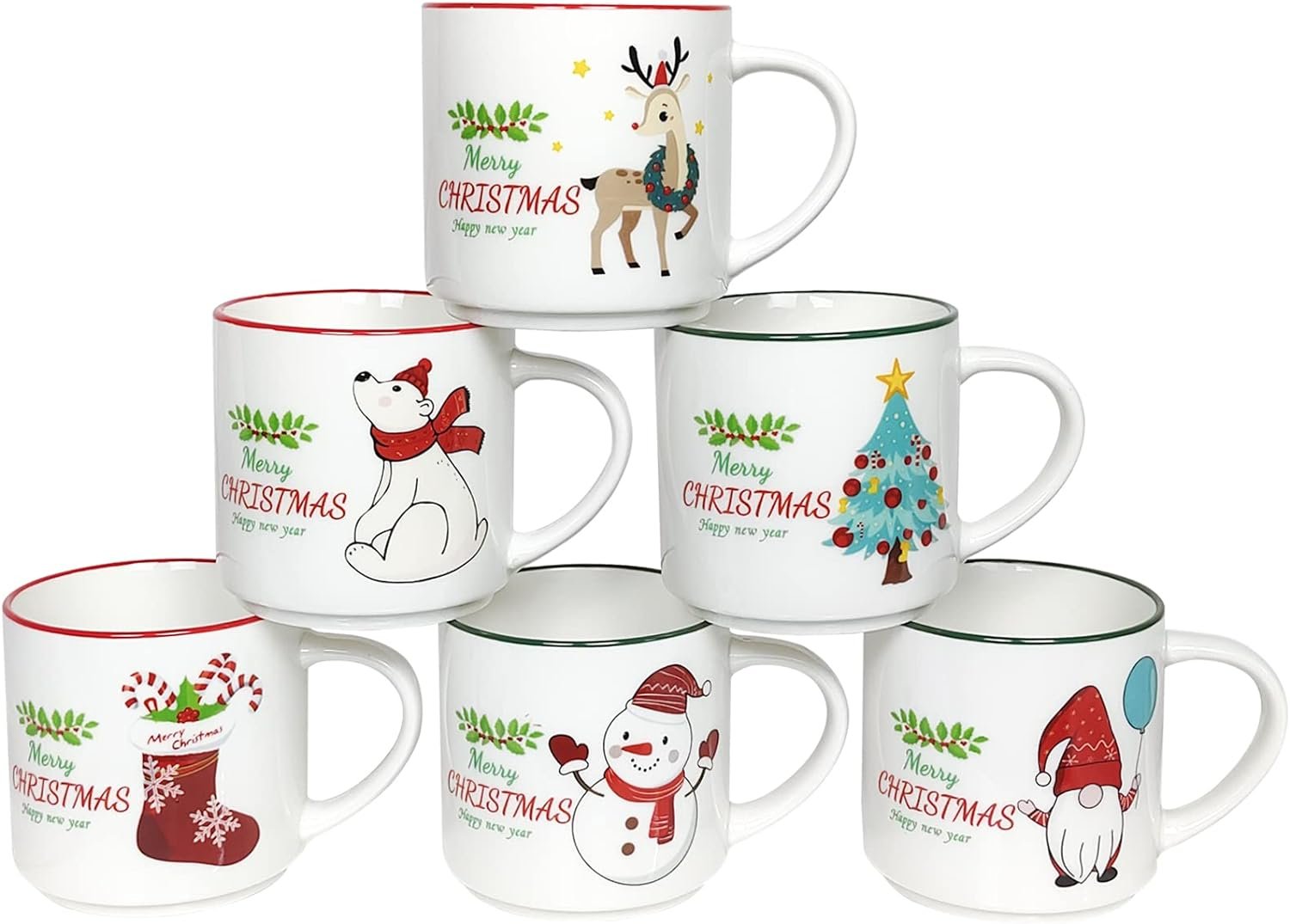
The cheapest answer is often already on the shelf. A cone or cylinder body covers a large share of briefs, and the ceramic mug range has shapes with proven print areas, carton sizes and drop-test history. Open a mould when the form is the brand, not when only the artwork differs.
3. Existing mould versus open mould
At a glance: an existing body wins on cost and speed, an open mould wins on differentiation, and the trade-off is never only financial.
| Item | Existing mould | Open mould | What to confirm |
|---|---|---|---|
| Tooling | None | Quoted per shape | What the quote covers |
| Sample time | 7–10 days after artwork approval | Tooling and first article come first | Where the gate sits |
| Production | 30–45 days after approval | Same run time once approved | Which date counts |
| MOQ | 500 pieces per design | Usually higher | The minimum for your shape |
| Look | Shared with other buyers | Exclusive to your program | Whether it has a term |
| Print area | Proven wrap and handle | Changes with the geometry | Who re-approves it |
| Risk | Carton and drop test known | First article can fail | Who pays for rework |
Two rows decide most projects: sample time, because tooling and trial sit ahead of the sample, and risk, because a proven body has a carton and a drop-test history while a new shape has a first article. Ask which delivery term the tooling line is quoted under, since FOB Liling and EXW price the same mould differently and Incoterms 2020 sets the meaning of each.
4. Cost the tooling per unit sold
At a glance: divide the tooling figure by the units you expect to sell for that shape, then weigh the result against the price difference the shape can support.
Here is the arithmetic with a labelled assumption, because we do not publish a mould price and will not invent one. Suppose, for illustration only, that the custom mug mold cost quoted for your shape equals the value of 1,000 mugs at the published 3,000-piece tier. That is a scale for the calculation, not a quotation. Divide it by the units you will order and the per-unit effect falls fast, which is the argument for putting volume behind a new body.
| Order size | Tooling per mug, as a share of the 3,000-piece unit price | What that means |
|---|---|---|
| 500 pieces | 200% | More than the mug itself |
| 3,000 pieces | 33% | A third of the unit price |
| 10,000 pieces | 10% | A tenth of the unit price |
Two habits follow and one check. Ask whether the tooling is invoiced once and whether a later order for the same shape carries it again; a shape ordered twice should carry it once. If a tooling credit is offered against a larger volume, put the condition in writing. And if the mould is invoiced and shipped separately, ask your broker how it is classified and valued.
5. Set a sell-through threshold before you commit
At a glance: decide the minimum number of units that justifies the tooling before you see a quote, so the decision is not made by the size of the number.
| Units expected | Existing mould | Open mould | Why |
|---|---|---|---|
| Under 3,000 | Usually the better call | Hard to justify | Too few units |
| 3,000–10,000 | Workable | Worth pricing | Tooling visible, not dominant |
| 10,000–30,000 | Workable, shared look | Often the better call | The shape sells the mug |
| Over 30,000 | Only if speed beats look | Usually yes | A rounding error |
Those thresholds are working figures, not rules: they move with the price difference the shape can support, and a mug that sells at a premium closes the gap at lower volume than a commodity body. Write the threshold down before quotes arrive, then measure each quote against it. A shape that cannot clear its own threshold is a design indulgence, however good the sample looks.
6. The weeks that never appear on the invoice
At a glance: an open mould moves three dates, not one: sample approval, production start and the carton that has to pass a drop test.
Physical samples take 7–10 days after artwork approval on a standard body, and production takes 30–45 days after the sample is approved; sea freight adds about 30 days to the USA or Europe, depending on port and season. A new shape places tooling and first-article approval ahead of that clock, and a new geometry can change the carton. August to November fills first, so a shape decision taken in September is really about the following spring.

The drop test is the step buyers forget: a new body sits differently in a carton, so the pack has to be re-approved, and some buyers book an independent inspection for the first article. Our notes on mug drop tests explain what that test changes. More on body geometry sits in our Design & Structure section.
Where MugFactory fits the decision
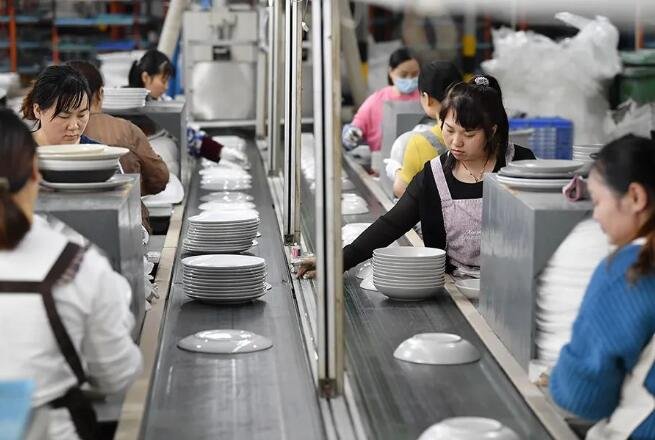
MugFactory runs ceramic, bone china and stoneware production on exclusive Liling lines, with design, packaging, QA and export documents in-house. A tooling decision benefits because the shape, the sample, the first article and the carton are approved by one team rather than passed between a tooling shop and a decorator.
- Tooling quoted per shape, with pattern work, trial pieces and first-article approval itemised rather than bundled.
- A master sample approved before production, with print position, colour and kiln records logged per batch.
- Physical samples in 7–10 days after artwork approval, credited against the production order.
- A free digital mockup within one hour of a brief, so artwork is judged before a shape is committed.
- 500 pieces per design on existing bodies, with the custom-shape minimum confirmed in the quote.
The customisation options show what can change on a standard body without new tooling; when a new shape is the answer, request a quote with the drawing, the volume and the on-shelf date, and ask for the tooling line to be shown separately.
Bring us the artwork and the deadline
Tell us the shape, the volume and the date the mugs have to be on shelf. We will come back with the tooling position, the piece price at your tier and the calendar that follows.
FAQ
How much does a custom mug mould cost?
We quote tooling per shape rather than from a price list, because the pattern, the number of trial pieces, the first-article decoration and the revisions included all change the work. Anyone who quotes a mould figure before seeing your shape is guessing. Send the drawing or a reference mug, and the tooling line and the piece price come back together.
How long does a new mould take?
Tooling and trial run ahead of the sample clock, so the answer depends on the shape and is confirmed with the tooling quote. On a standard body, physical samples take 7–10 days after artwork approval and production takes 30–45 days after approval. Put the tooling, first-article and production dates in writing before you commit to a launch date.
What MOQ applies to a custom shape?
Existing bodies start at 500 pieces per design. A custom shape usually needs a higher minimum, because the tooling and first-article work have to be carried by the run, and the figure is confirmed in the quote. Mixed designs on the same new body can share a run, which is often the cheapest way to reach it.
Can the tooling cost be amortised?
Yes, in the accounting sense: it is a one-off spread across the units ordered for that shape, so the per-unit effect falls as volume rises. If the same shape is ordered twice, it should carry the tooling once. A tooling credit against later volume is a commercial term, so put the condition in the quote.
Do we own the mould?
Ownership and exclusivity are commercial terms, not automatic rights, and they belong in the quotation and the purchase order: who owns the tooling, where it is held, whether it is exclusive to your program and for how long, and what happens if production moves. Agree it before sampling, not after the first article.
Sources

MugFactory’s sourcing and production team helps brands, retailers and distributors plan custom ceramic mug programs from 500-piece pilots to annual production. Based in Liling, close to the lines, the team covers design, packaging, QA, export documents and after-sales.