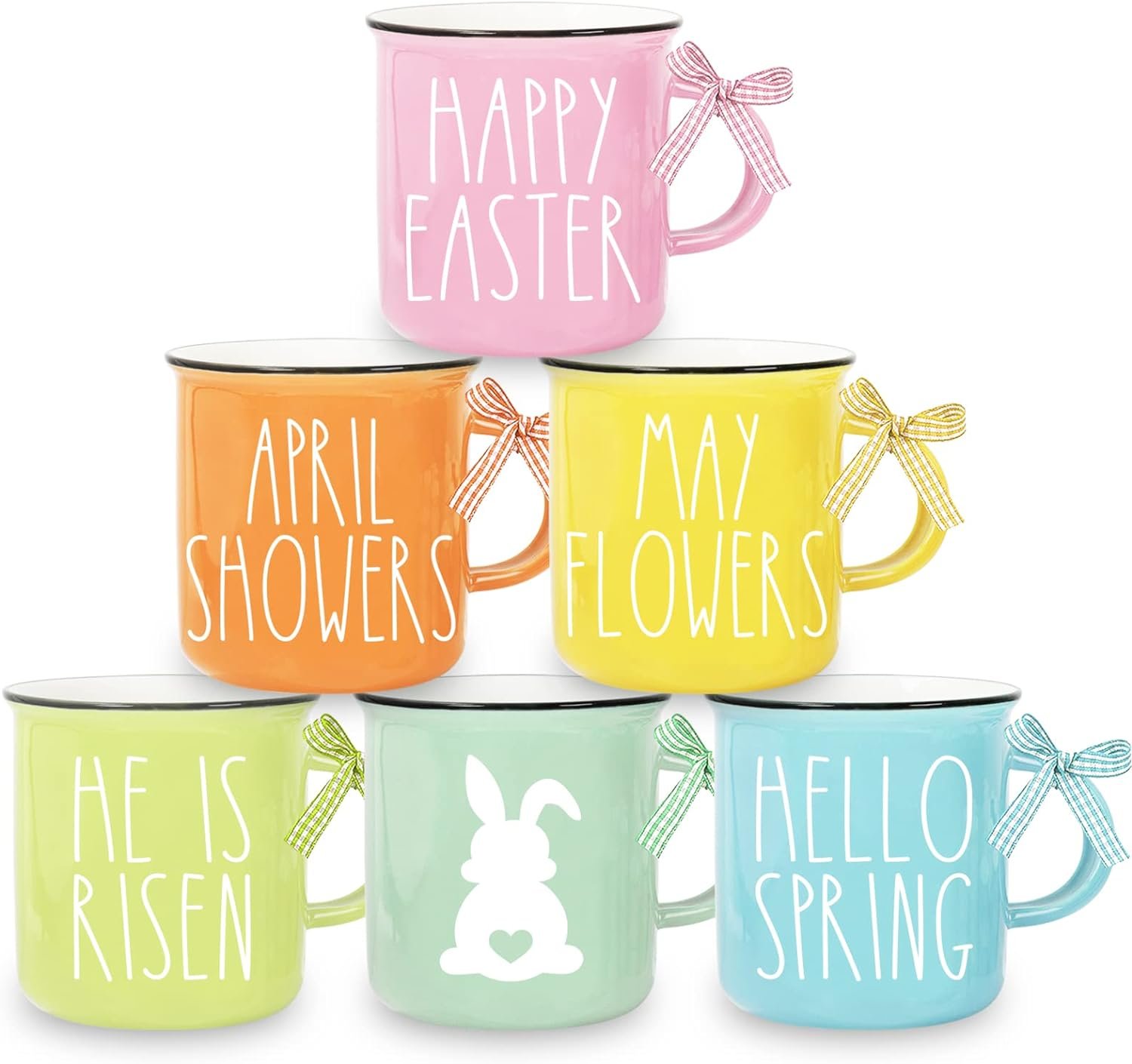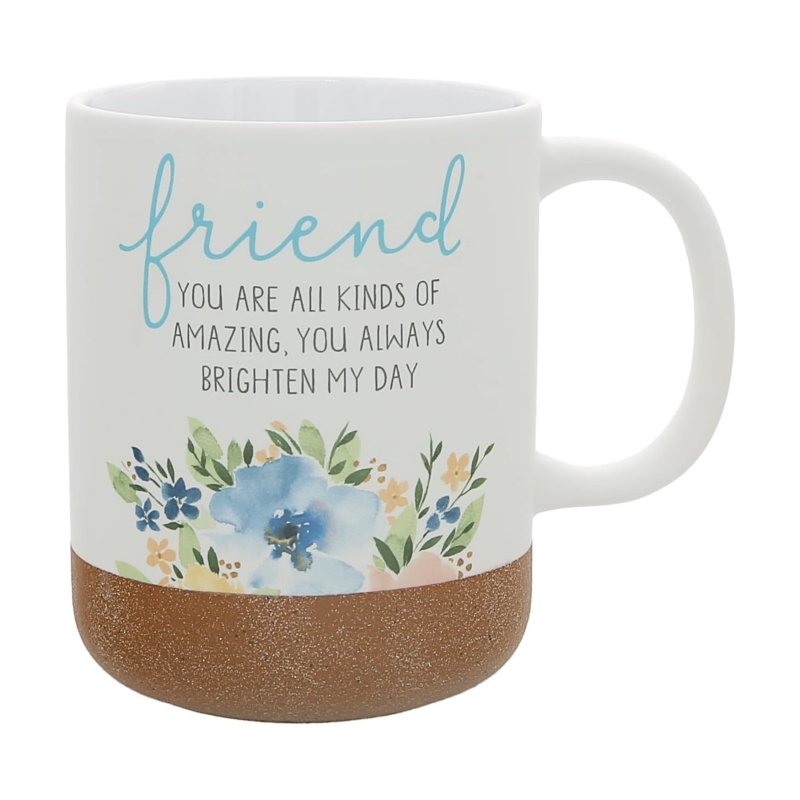

Most enamel vs ceramic mug comparisons line the two materials up on price and stop there, which is how buyers end up with the wrong one. Enamel is a fused glass coating on a steel body; ceramic is a fired clay body with a glaze. They are not two versions of the same product, and the choice is decided by handling, care and the finish the buyer needs to sell.
This comparison is for buyers choosing between the two for camping, retail or promotional use, and for distributors asked to quote both. It covers what each material does well, where each fails, and how decoration and care change the answer. It also states plainly that MugFactory does not produce enamel mugs, so where enamel is the right call we will say so.
Key takeaways
- Different constructions: enamel is a glass coating fused to steel; ceramic is fired clay with a glaze, so they fail in different ways.
- Enamel takes impact better; ceramic holds a glaze finish, resists scratching and reads as premium on shelf.
- Care decides more than the specification: gold rims rule out microwave use, and chipped enamel exposes the steel underneath.
- Campsite and outdoor promotion suit enamel; café service, gifting and shelf retail suit ceramic.
- We fire ceramic, bone china and stoneware only. Ceramic programs start at 500 pcs, with 30–45 days production after sampling.
1. Two constructions, two failure modes
At a glance: enamel is metal with a glass skin, ceramic is clay fired with a glaze, and each fails the way its construction predicts.
Enamel begins as a steel blank, coated with a glass frit and fired until the coating fuses to the metal: light, rigid and thin-walled, with a glossy surface that can be coloured or printed. Ceramic is clay, formed, glazed and fired, then decorated and fired again, so the design sits in or under the glaze.
Impact behaves differently on each. Enamel dents the steel and may chip the coating, though the body rarely shatters; ceramic chips the glaze or breaks the body, but a well-fired glaze resists scratching. Neither is stronger in general; they are strong against different things. The three bodies we fire are listed on our material pages.
2. Side by side: impact, weight, finish and care
At a glance: enamel wins on impact and weight, ceramic wins on finish and care options, and the difference shows in the second year of use.
Table 1 sets out the properties that decide most programs, though glaze and print quality vary between suppliers.
| Property | Enamel | Ceramic | What it changes |
|---|---|---|---|
| Impact | Dents and may chip; body rarely shatters | Chips at the rim or breaks; glaze resists scratching | Outdoor programs favour steel |
| Weight | Light for its volume | Heavier, especially stoneware | Freight and cartons follow weight |
| Finish | Glossy fused coating, visible rim | Glaze: matt, gloss or colour-inside | Shelf finish points to ceramic |
| Heat | Metal body, not microwave-safe | Microwave-safe unless the rim is metallic | Check the rim before claiming |
| Care | Often dishwasher-safe; edges matter | Dishwasher-safe glazes; hand wash gold rims | Claims must match the decoration |
| Cost position | Steel body, coating and firing | Clay body, glaze, decoration and firing | Compare landed cost, not price |
3. Where enamel earns its place
At a glance: enamel is the better answer when the mug will be carried, dropped and used outdoors, and when a utilitarian look supports the brand.
Camping, festivals, outdoor retail and promotional programs put a mug through handling a kitchen never does: it travels in a pack, gets knocked against other equipment and may sit beside a camp stove. A steel body tolerates that better than clay, and lighter weight matters to a distributor paying freight on thousands of units. The visible rim suits an industrial look.
The limits deserve equal clarity. Chipped enamel exposes the steel underneath, and that edge is where staining or corrosion starts; a mug that has lost its coating is no longer the product you sold. Some enamelware is dishwasher-safe and some is not, so the care claim has to come from the supplier in writing. Metal bodies also rule out microwave use.
4. Where ceramic earns its place
At a glance: ceramic is the better answer when the mug is judged in the hand and on the shelf, and when the decoration must survive daily washing.
Café service, retail shelf, corporate gifting and private label reward what ceramic does well: a dense glaze, a comfortable handle, a rim that feels right against the lip, and a colour range matched to brand guidelines. Decoration sits in the glaze after firing, so a decal resists washing, and a full-wrap eight-colour design is achievable on a standard 11 oz / 330 ml body in our ceramic mug range.
Weight is the trade-off. Stoneware and bone china add grams and carton volume, which shows in freight rather than the unit price. For travel, a lidded ceramic body such as a commuter mug can replace enamel where a sealed lid and familiar mouthfeel matter more than impact resistance.

5. Matching the material to the brief
At a glance: start from where the mug will live and who will wash it, then choose the material that survives that routine.
The brief usually holds the answer. A promotional mug that travels in a rucksack and gets dropped on a campsite table is an enamel brief; a mug that goes through a café dishwasher several times a week is a ceramic brief. Table 2 maps the common situations.
| Use case | Better fit | Why | Watch-out |
|---|---|---|---|
| Campsite, festival, outdoor promo | Enamel | Takes knocks, packs light | Check the rim coating |
| Café service, daily washing | Ceramic | Glaze finish, comfortable rim | Handle strength matters |
| Retail gift set | Ceramic, bone china for premium | Shelf presence, finish quality | Carton weight rises |
| Corporate gift | Ceramic | Perceived value, decoration range | Metallic rims limit microwave use |
| Travel and commute | Ceramic with a lid | Seal and mouthfeel | Test the lid fit first |
6. Care, decoration and food-contact notes
At a glance: the material sets the care rules, the decoration narrows them, and food-contact testing has to cover both.
On ceramic, the decoration decides the care label. A decal fired into the glaze is durable and usually dishwasher-safe; sublimation needs a polymer-coated body and a clear care statement; screen printing is priced per colour; relief needs a mould; and a gold or metallic rim means hand wash and no microwave. Those options are set out in our customisation guide.
| Body and finish | Dishwasher | Microwave | What to state |
|---|---|---|---|
| Ceramic, decal in glaze | Usually yes | Yes, unless metallic | Fired decoration, standard care |
| Ceramic, gold rim | Hand wash | No | Metallic decoration |
| Ceramic, sublimation | Confirm with supplier | Yes | Coated body, no abrasives |
| Enamel, undecorated | Often yes | No | Steel body, avoid chipping |
| Enamel, decorated rim | Confirm with supplier | No | Inspect the rim on arrival |
Food contact is a separate question. Glazed ceramic and enamelled steel are both established food-contact materials, but limits and test methods depend on the market, and a report has to name the body and decoration you buy. We test glazes and decorations to FDA and LFGB food-contact requirements and supply reports on request; confirm the limit with your own laboratory. Glass mugs for cafés covers a third option, and the materials, printing and finishes articles go deeper.
How MugFactory de-risks a ceramic order
MugFactory makes ceramic, bone china and stoneware mugs on exclusive Liling lines, and does not produce enamel mugs. That is a deliberate limit: our kilns, glazes and decoration processes are built for fired clay, and a steel-bodied enamel program would sit outside the quality system we control. Where enamel is genuinely better for a campsite brief, we will say so. Send the brief through the quote request form and we will recommend the body that fits.
- A material recommendation against the brief, with the trade-offs between ceramic, stoneware and bone china stated before sampling.
- A free digital mockup within an hour, then physical samples in 7–10 days, credited against the order.
- Decal, sublimation, screen print, relief and laser finishes, with the care label written to match.
- Pre-production, in-production and final checks, including colour against the approved sample, a drop test and a photo QC report.
- Indicative tier pricing from 500 pieces and a 30–45 day production window after sample approval.
Test the body and the finish first
A glaze, a rim and a handle weight read very differently in the hand than in a photograph. Send us the brief and artwork, and we will come back with a ceramic body, a decoration route and a sample plan.
FAQ
Is enamel safer than ceramic?
Both are established food-contact materials when made and tested correctly, and neither is automatically safer. Glazed ceramic and enamelled steel have different test methods and limits depending on the market, and the decoration matters as much as the body. Ask for a report that names both.
Can enamel mugs go in the dishwasher?
Some can and some cannot, and the answer depends on the coating and the print rather than on enamel as a category. Confirm the claim in writing for the specific product, and expect decorated rims to be more sensitive. A chipped edge exposes steel, so inspect rims on arrival.
Which lasts longer?
It depends on the failure you are most likely to cause. Enamel survives knocks and drops but cannot be repaired once the coating chips. Ceramic resists scratching and holds its glaze, but breaks on a hard floor. For a café that washes and stacks daily, ceramic usually lasts longer.
Can enamel be decorated?
Yes. Enamel can be printed or transfer-decorated onto the fused coating, which suits bold graphics, logos and retro designs. The decoration sits on the surface, so abrasion and washing matter more than on a decal fired into ceramic glaze. Confirm the care claim for the decorated version.
Does MugFactory produce enamel mugs?
No. MugFactory produces ceramic, bone china and stoneware mugs on exclusive Liling lines and does not produce enamel. If your brief needs a steel body, we are not the right supplier and we will say so. If it can work in ceramic, we will recommend a body, a decoration route and a sample plan.
Sources

MugFactory’s sourcing and production team helps brands, retailers and distributors plan custom ceramic mug programs from 500-piece pilots to annual production. Based in Liling, close to the lines, the team covers design, packaging, QA, export documents and after-sales.