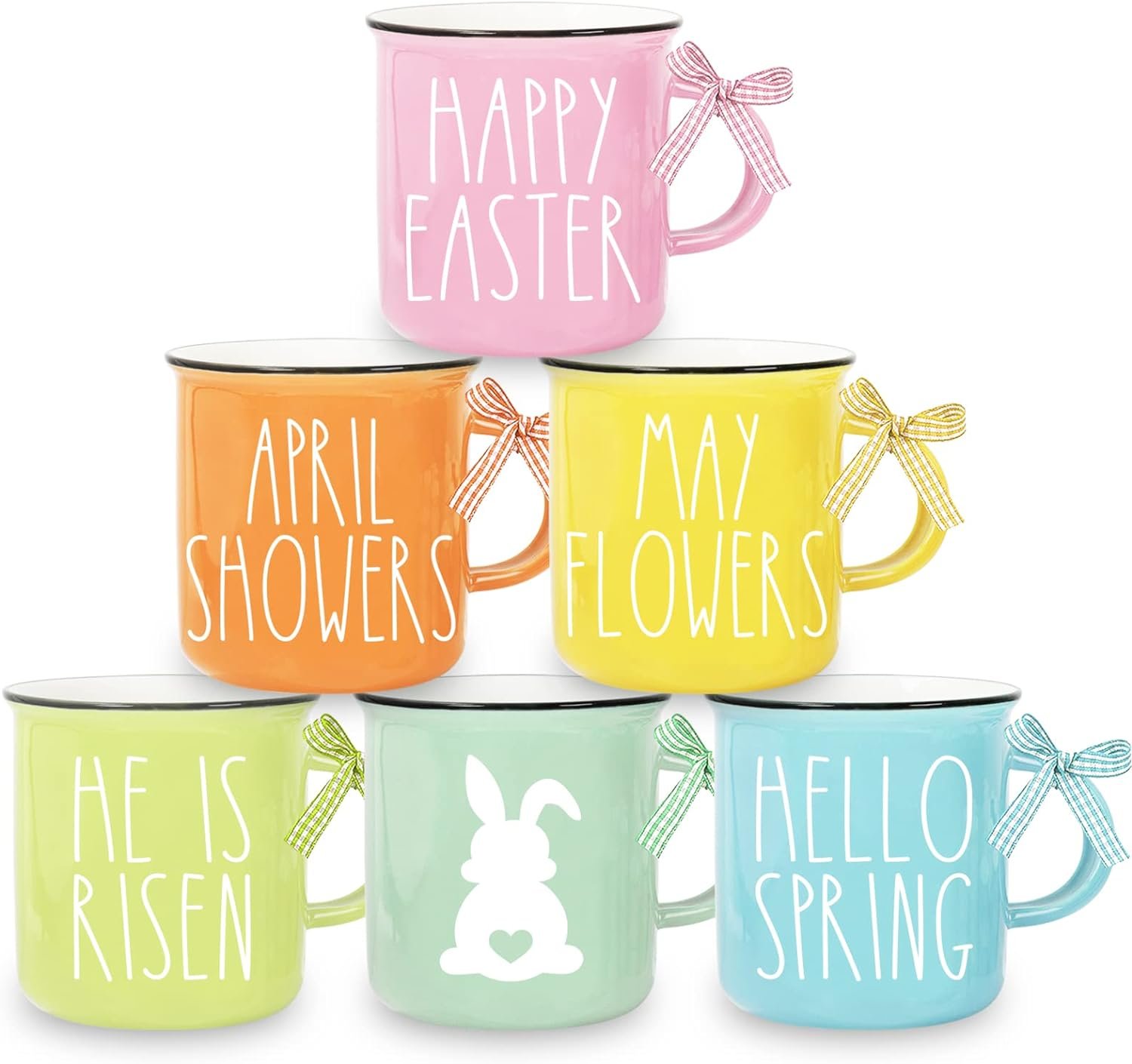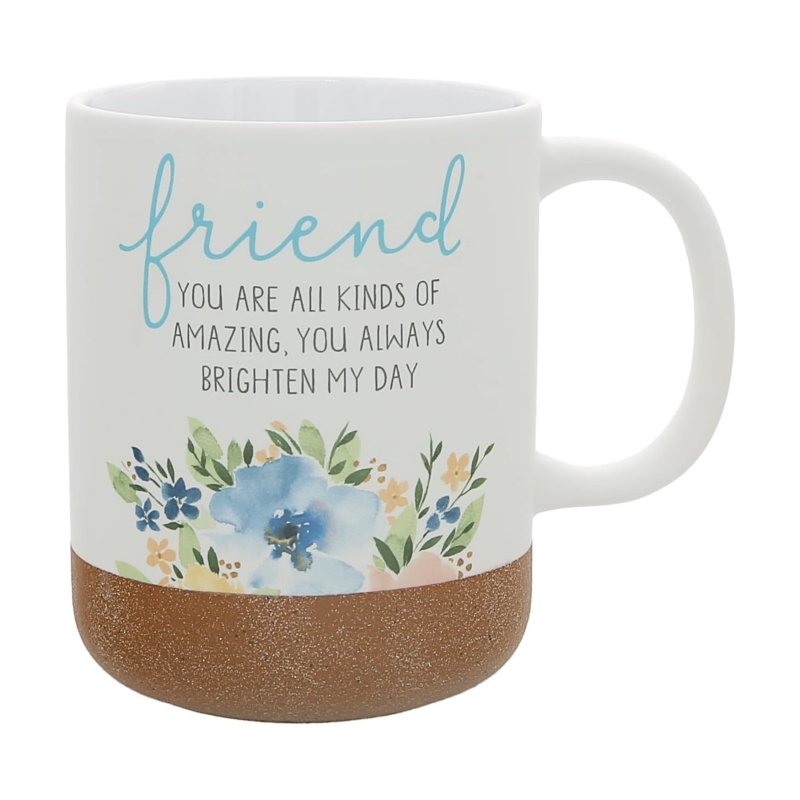

Most decoration guides start with the process: here are four printing methods, pick one. That order is backwards, and it is why so many sublimation vs decal printing discussions end in a redesign. The process follows the artwork and the care claim, and those two constraints remove most options before price is mentioned.
This guide is for brand and sourcing teams holding finished artwork and a chosen body. By the end you should be able to match a process to the artwork, predict which care claims are realistic, and write a spec that two suppliers can quote.
Key takeaways
- Decal is fired into the glaze, so it carries full-colour artwork and survives commercial washing.
- Sublimation needs a coated body and works at about 180–200°C for 60–180 seconds; it suits photographs.
- Screen printing is priced per colour: efficient for one to three spot colours, costly at six.
- Relief needs a mould and a higher MOQ, so the tooling only pays back at volume.
- Gold rim means hand wash and no microwave. Approve the care instruction with the artwork.
1. Start from the artwork and the care claim
At a glance: two questions remove most processes: how many colours and gradients the artwork needs, and what care instruction the customer will read.
Count the colours and look for gradients. A flat two-colour logo and a photographic scene are not the same brief, and no single process is best for both. Then decide the care claim: dishwasher safe, microwave safe or hand wash only. A gold rim is a design decision that also removes the microwave.
If the artwork is a logo, the choice usually narrows to decal or screen print, and our logo mugs show both directions on the same body. The materials, printing and finishes category covers glazes and finishes too.
2. How the four processes work
At a glance: decal is fired into the glaze, sublimation dyes a coated surface, screen print lays ink through a mesh one colour at a time, and relief shapes the body.
A decal starts as a printed transfer film. The printer lays ceramic colour on the film, the operator applies it to the glazed mug, and a third firing at about 750–850°C fuses it into the glaze. That is why a good decal cannot be picked off and why it holds up in commercial washing.
Sublimation prints a digital image onto transfer paper and applies it to a polymer-coated mug at about 180–200°C for 60–180 seconds. The dye bonds with the coating, so the print sits in the coating rather than the glaze. Screen printing pushes ink through a mesh, one screen per colour, then fires it. Relief uses a mould to raise a shape in the body.
| Method | Colour capability | Durability and care | Setup | MOQ profile |
|---|---|---|---|---|
| Fired decal | Full colour, photographic | Fired into glaze; washes well | Film and firing | Standard 500 pcs |
| Sublimation | Photographs, gradients | Test the wash claim | Digital, no screens | Standard, coated bodies |
| Screen print | One to three spot colours | Good with correct firing | One screen per colour | Cost falls at volume |
| Relief / embossed | Limited colour, tactile | Durable if fired correctly | New mould or tooling | Higher MOQ, quoted |
| Gold rim | Metal accent | Hand wash; no microwave | Extra process step | Confirmed in the quote |
Each route changes the body order: decal mugs and screen print mugs run on standard glazed bodies, while a coated body has to be specified before the print is planned.
3. Match colour capability to the artwork
At a glance: decal and sublimation handle complex colour, screen print is better at flat spot colour, and relief adds touch rather than colour.
Photographs, gradients, skin tones and fine type are the hard cases. A decal printed in ceramic colour holds detail through the firing and is the usual answer for many-colour artwork. Sublimation mugs reproduce photographs well on a coated body, which is why the process dominates short-run photo work. Screen printing cannot hold a gradient without halftones. For most buyers the sublimation vs decal printing question comes down to the care claim, because both can carry a photograph and only one sits inside the glaze.
Colour approvals fail at the glaze, not at the file. A Pantone reference tells the printer which film to build, but the fired result also depends on the glaze and the firing curve. Agree the tolerance first: a ΔE of 1–2 or less is usually imperceptible.

| Artwork | Recommended process | Why | Watch-out |
|---|---|---|---|
| Flat one-colour logo | Screen print or decal | Crisp edges, low cost | Registration on a curve |
| Multi-colour pattern | Decal | Full colour, no extra screens | Colour shift after firing |
| Photograph or gradient | Decal or sublimation | Continuous tone | Needs a coated body |
| Text-heavy design | Decal | Fine type survives firing | Type size on a curve |
| Tactile brand mark | Relief | Touch and depth | Tooling lead time |
4. Decide the durability claim before the decoration
At a glance: the care instruction is a product specification, not a label detail; it decides which processes are still available.
A café washes the same mug dozens of times a week, and a print that fades becomes a complaint. A fired decal is the safest answer for heavy washing because the colour sits in the glaze. A sublimation print depends on the coating and the wash cycle, so the dishwasher claim has to be tested. Gold rims are hand-wash items and cannot go in the microwave.
| Process | Dishwasher | Microwave | Label to print |
|---|---|---|---|
| Fired decal | Yes, non-metallic | Yes | Dishwasher and microwave safe |
| Sublimation | Test the coating first | Usually yes | Hand wash or tested claim |
| Screen print | Yes with correct firing | Yes | Dishwasher safe |
| Relief | Yes; holds residue | Yes | Dishwasher safe, hand dry |
| Gold rim | Hand wash | No | Hand wash only |
Gold rim mugs are the clearest case: the metallic band is a second process step and it changes the care instruction for the whole product. A wedding gift can carry hand wash; a café cannot.
Decoration sits against food and drink, so the glaze and the print both need testing. Reports are on request, and this article is general information, not legal advice. Confirm the standard with your compliance team or lab.
5. Price setup, MOQ and the volume break
At a glance: screen printing has the lowest unit cost at volume but the highest per-colour setup; decal carries film and firing setup; relief carries tooling.
Decoration cost has three parts: setup, print run and handling. The sublimation vs decal printing comparison usually looks like a print-cost question, yet the real difference is the coating and the firing cycle. Screen printing is economical when the artwork uses one to three colours and the order is large, because the screens are amortised across thousands of pieces. Decal setup is paid once and handles any number of colours, so a six-colour design can be cheaper as a decal than as six screens. Relief tooling is quoted separately.
Quantity changes the ranking. Indicative tier pricing for standard 11 oz ceramic mugs starts at $2.50 at 500 pcs, $2.20 at 3,000 pcs and $2.00 at 10,000 pcs, FOB Liling, including one-position printing and standard export packaging. That included printing runs from one colour to full-wrap 8-colour decoration; a custom mould or third-party lab testing is quoted separately.
6. Where relief and gold rim earn their cost
At a glance: relief and metallic finishes are presentation decisions; they rarely reduce unit cost and always add a process step.
Relief mugs add touch. A raised logo or a shaped body reads as premium in a way flat print cannot, and it suits corporate awards and gift collections. A gold rim does the same with colour: a metallic band signals gifting and pairs naturally with porcelain or bone china. Both narrow your supply base.
The trade-off is care and replacement. A café will destroy a hand-wash-only rim in weeks, so keep metallic and relief finishes for retail, gifting and corporate programs where the mug is kept rather than worked.
7. Inspect the printed sample like a buyer
At a glance: approve print position, colour and adhesion on a fired sample after a wash cycle, not on a digital mockup.
Check the print position on the curved body, because a design that looks centred on a flat file can drift on a tapered body. Check colour against the Pantone reference and record the ΔE. Then run the wash test the label promises, and repeat it, because adhesion failures often appear on the third or fourth cycle.
Finally, check the print against its packaging. A full-wrap design can be scuffed by a tight inner tray, and a generous gift box can hide a mug that moves. Approve the mug, the carton and the care label together.
8. Write the decoration spec in one paragraph
At a glance: a spec that names the process, the colours, the print area and the care claim removes the assumptions behind most reprints.
Write it once and attach it to every quote request:
- Process and body, for example a fired decal on glazed ceramic.
- Artwork file, colour references and number of colours.
- Print area and distance from the rim and handle.
- Care claim to test and print on the label.
- Packaging that touches the print, including the inner tray.
That paragraph separates a quote you can compare from one you have to renegotiate. Our customization team works from the same fields, and the ceramic vs porcelain vs stoneware vs bone china comparison covers which body carries the print.
How MugFactory de-risks the decoration decision
MugFactory decorates ceramic, bone china and stoneware mugs on our exclusive Liling lines, from one colour to full-wrap 8-colour decoration, with design, packaging, QA and export documentation in one in-house team. The Liling factory has produced export mugs since 1994, and the network runs six production bases, ten branch factories and twenty kilns.
- A free digital mockup within one hour of a complete brief, so placement is checked before sampling.
- Physical samples in 7–10 days after artwork approval, with the sample fee credited against the production order.
- Checks at forming, glazing, printing and firing, with colour difference, print position and kiln records logged per batch.
- Drop test, dishwasher and microwave checks, food-contact testing to FDA and LFGB requirements and a photo QC report.
- Export documents, test reports and audit documents on request, with 24-hour response across 40+ countries.
See your artwork on a mug before you commit
Send the artwork, the body you have in mind and the care claim you want to print. We will return a mockup, a process recommendation and indicative tier pricing so you can compare two routes before sampling.
FAQ
Which process is best for a full-colour photo?
A fired decal is the most durable answer, because the image is printed in ceramic colour and fused into the glaze. Sublimation reproduces photographs well on a coated body and suits short runs, but the coating sets the care claim. Compare both samples under the same light.
Can a sublimation mug be dishwasher safe?
It can, but the claim depends on the coating and the wash cycle, not on the print alone. Ask for a dishwasher test on the exact coated body you are buying, and repeat it across several cycles before printing a claim on the packaging. On an uncoated body, sublimation is unlikely to last in commercial washing.
How many colours can screen printing handle?
Screen printing adds one screen per colour, so cost rises with every colour. It is efficient for one to three spot colours and hard to justify against a decal when the artwork needs five or six. Our decoration runs from one colour to full-wrap 8-colour work.
What MOQ does relief or embossed decoration need?
Relief needs a mould, so the MOQ is higher than the standard 500 pieces per design and the tooling is quoted separately. The exact minimum depends on the shape and the mould, and it is confirmed in the quote. Start with printed decoration and move to relief once the design is settled.
Can a gold rim mug go in the microwave?
No. A metallic rim cannot go in a microwave, and it is usually a hand-wash item as well. The care label has to say so clearly, because the body underneath may be dishwasher safe while the rim is not. If the customer expects microwave use, choose a printed decoration.
Which process holds up best in a café?
A fired decal is the safest choice for café service, because the colour sits in the glaze and survives repeated commercial washing. Screen printing also performs well when the artwork is simple and the firing is right. Sublimation suits retail and photo work, and gold rims belong in gifting.
Sources
Primary references for the food-contact, colour and quality points above:

MugFactory’s sourcing and production team helps brands, retailers and distributors plan custom ceramic mug programs from 500-piece pilots to annual production. Based in Liling, close to the lines, the team covers design, packaging, QA, export documents and after-sales.